The Ultimate Guide To Artichoke Companion Plants
The Ultimate Guide to Artichoke Companion Plants
Artichokes are a delicious and versatile vegetable that can be enjoyed in a variety of ways. They are also relatively easy to grow, but they can benefit from having companion plants nearby. Companion planting is the practice of planting certain types of plants together in order to promote their growth and health. By planting artichokes with the right companion plants, you can help to deter pests, attract beneficial insects, and improve the overall health of your artichoke plants.
In this guide, we will discuss the best companion plants for artichokes. We will also provide some tips on how to plant and care for artichokes, as well as how to choose the right companion plants for your specific needs.
Benefits of Companion Planting
There are many benefits to companion planting, including:
- Deterrent pests and diseases. Some companion plants can help to deter pests and diseases from attacking your artichoke plants. For example, marigolds are known to repel nematodes, which are microscopic worms that can damage artichoke roots. Other companion plants, such as nasturtiums, can attract beneficial insects, such as ladybugs, which prey on pests.
- Attract beneficial insects. Beneficial insects, such as pollinators and predators, can help to improve the health of your artichoke plants. Pollinators, such as bees and butterflies, help to pollinate artichoke flowers, which leads to better fruit production. Predators, such as ladybugs and wasps, help to control pests.
- Improve soil quality. Some companion plants can help to improve the soil quality around your artichoke plants. For example, legumes, such as peas and beans, fix nitrogen in the soil, which can provide artichoke plants with a valuable nutrient. Other companion plants, such as comfrey, can help to improve the drainage and aeration of the soil.
- Create a more attractive garden. Companion planting can also help to create a more attractive garden. By planting different types of plants together, you can create a more visually appealing and interesting space.
Best Companion Plants for Artichokes
The best companion plants for artichokes will vary depending on your specific climate and growing conditions. However, some of the most common and effective companion plants for artichokes include:
- Peas. Peas are a nitrogen-fixing legume that can help to improve the soil quality around your artichoke plants. They can also help to suppress weeds.
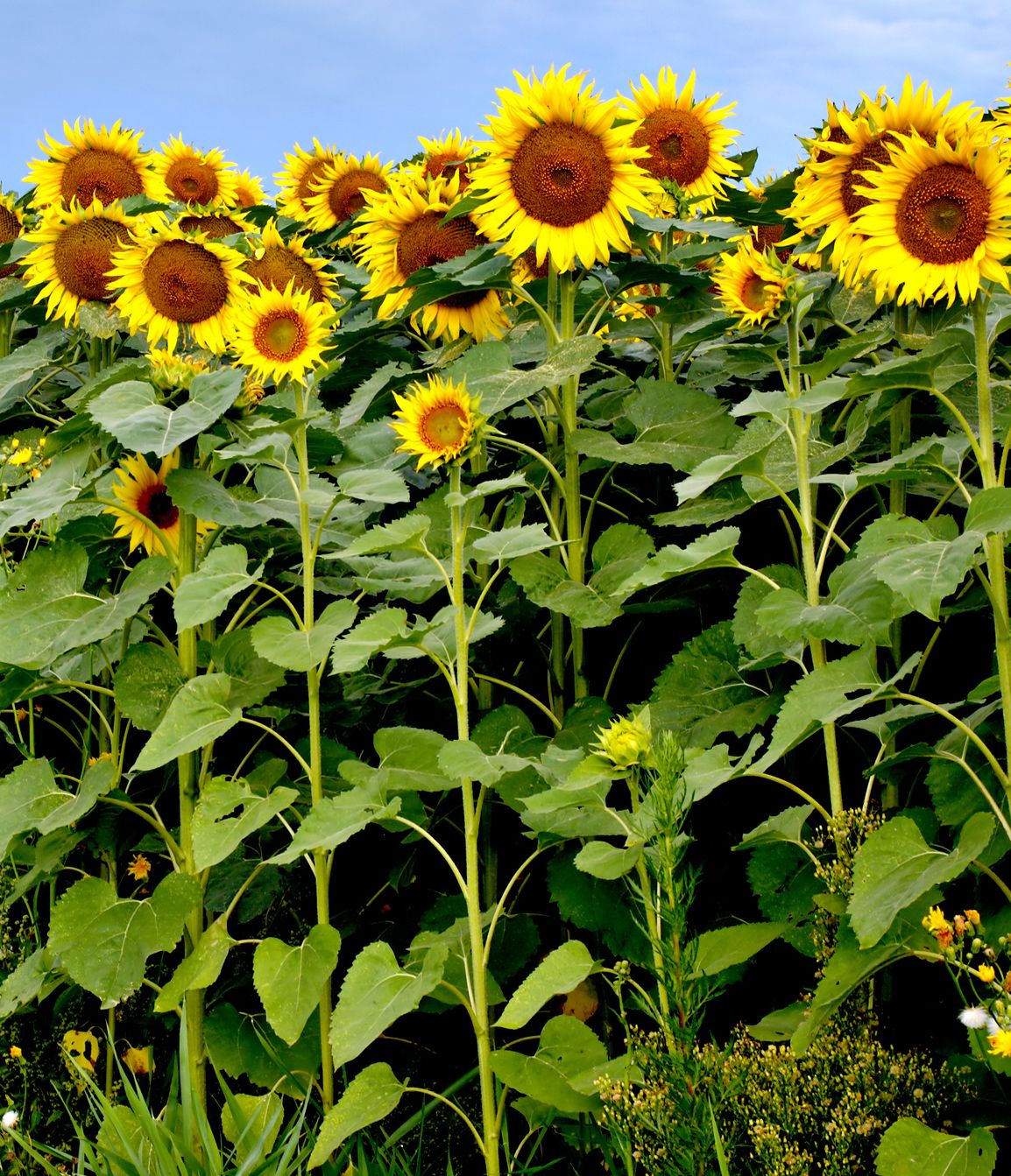
- Sunflowers. Sunflowers are tall plants that can provide shade for artichoke plants in the afternoon. They can also attract beneficial insects, such as pollinators and predators.
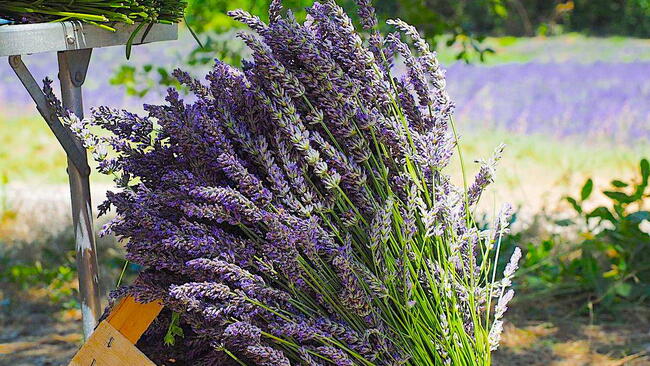
- Herbs. Many herbs, such as thyme, rosemary, and lavender, can help to deter pests and diseases from artichoke plants. They can also add fragrance and interest to your garden.
- Marigolds. Marigolds are another great choice for companion planting with artichokes. They are known to repel nematodes and other pests.
- Calendulas. Calendulas are another flowering plant that can help to deter pests and diseases. They can also attract beneficial insects.
- Broccoli. Broccoli and artichokes are both members of the Brassica family, so they have similar growing requirements. They can also help to repel pests from each other.
- Asparagus. Asparagus is another tall plant that can provide shade for artichoke plants in the afternoon. It can also help to improve the soil quality around your artichoke plants.
- Tarragon. Tarragon is a herb that can help to repel pests and diseases from artichoke plants. It can also add flavor to your artichoke dishes.
When to Plant Companion Plants
The best time to plant companion plants with artichokes is in the spring, when the soil has warmed up and the danger of frost has passed. When planting, be sure to space the companion plants according to their mature size. For example, peas and sunflowers can be planted relatively close together, but herbs and broccoli need more space.
How to Care for Companion Plants
Once your companion plants are established, you will need to care for them in the same way that you care for your artichoke plants. This includes watering, fertilizing, and weeding. You may also need to deadhead flowers and trim back plants as needed.
Conclusion
By planting the right companion plants with your artichokes, you can help to improve their growth and health. Companion planting can also help to deter pests and diseases, attract beneficial insects, and improve the overall appearance of your garden.
Artichokes are a delicious and versatile vegetable, but they can be challenging to grow. One way to improve your chances of success is to plant them with companion plants. Companion plants are those that benefit each other when grown together. For artichokes, some good companion plants include:
- Peas: Peas are nitrogen-fixing plants, which means they add nitrogen to the soil. This is beneficial to artichokes, which are heavy feeders.
- Sunflowers: Sunflowers help to attract pollinators, which are essential for artichokes to set fruit.
- Tarragon: Tarragon is a herb that helps to repel pests, such as aphids and spider mites.
- Members of the cabbage family: Cabbage, broccoli, and kale are all good companion plants for artichokes. They help to deter the artichoke plume moth, a common pest of artichokes.
For more information about artichoke companion plants, please visit Gardenia Inspiration. This website has a comprehensive list of companion plants for artichokes, as well as information on how to plant and care for artichokes.
FAQ of artichoke companion plants
Q: What are good companion plants for artichokes?
A: Artichokes are heavy feeders and prefer full sun, so good companion plants for them should be able to tolerate these conditions. Some good options include:
- Peas: Peas are nitrogen-fixing plants, which means they can help to improve the nitrogen content of the soil for the artichokes. They also grow quickly and can help to shade the soil, which can help to prevent weeds from growing.
- Carrots: Carrots and artichokes have similar growing requirements and can be planted together without competing for resources. Carrots also help to deter pests from artichokes.
- Herbs: Herbs like rosemary, thyme, and lavender can help to deter pests from artichokes. They also add beauty and fragrance to the garden.

- Sunflowers: Sunflowers are tall plants that can provide shade for artichokes in the afternoon. They also attract pollinators, which can help to improve the pollination of the artichokes.
Q: How much space do artichoke plants need?
A: Artichoke plants can grow up to 3-4 feet tall and wide, so they need plenty of space to grow. It is recommended to plant them 4-6 feet apart.
Q: What are some common pests and diseases that affect artichokes?
Artichokes are susceptible to a number of pests and diseases, including:
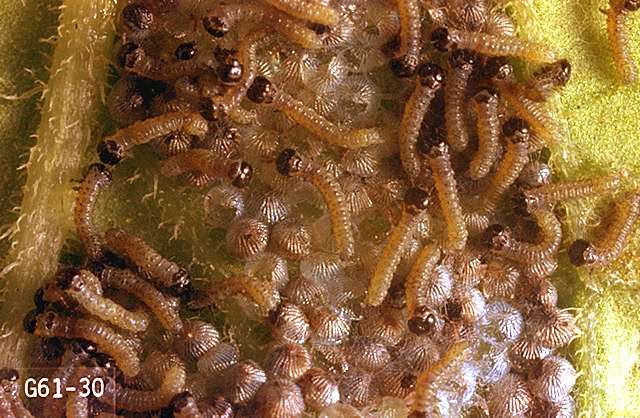
- Artichoke plume moth: This moth lays its eggs on artichoke leaves, and the larvae that hatch can damage the leaves.
- Artichoke borer: This beetle burrows into artichoke stems and can kill the plants.
- Rust: This fungal disease causes orange or brown spots to appear on artichoke leaves.

- Downy mildew: This fungal disease causes white or grayish-brown spots to appear on artichoke leaves.

Q: How do I care for artichoke plants?
Artichoke plants need full sun, well-drained soil, and regular watering. They should be fertilized once a month during the growing season. In colder climates, artichoke plants may need to be protected from frost.
Q: How do I harvest artichokes?
Artichokes are ready to harvest when the flower buds are still tightly closed. To harvest, use a sharp knife to cut the flower bud off the stem. Be sure to leave about 2 inches of the stem attached to the flower bud.
Image of artichoke companion plants
- Peas: Peas are a good companion plant for artichokes because they help to improve the soil nitrogen levels.

- Sunflowers: Sunflowers can help to attract pollinators to the artichoke plants.
- Tarragon: Tarragon can help to repel pests from artichoke plants.

- Members of the cabbage family: Members of the cabbage family, such as broccoli, Brussels sprouts, and kale, can help to deter pests from artichoke plants.
- Herbs: Herbs, such as rosemary, thyme, and oregano, can help to improve the flavor of artichokes.
Post a Comment for "The Ultimate Guide To Artichoke Companion Plants"