How To Grow Care For Pinky Winky Hydrangeas
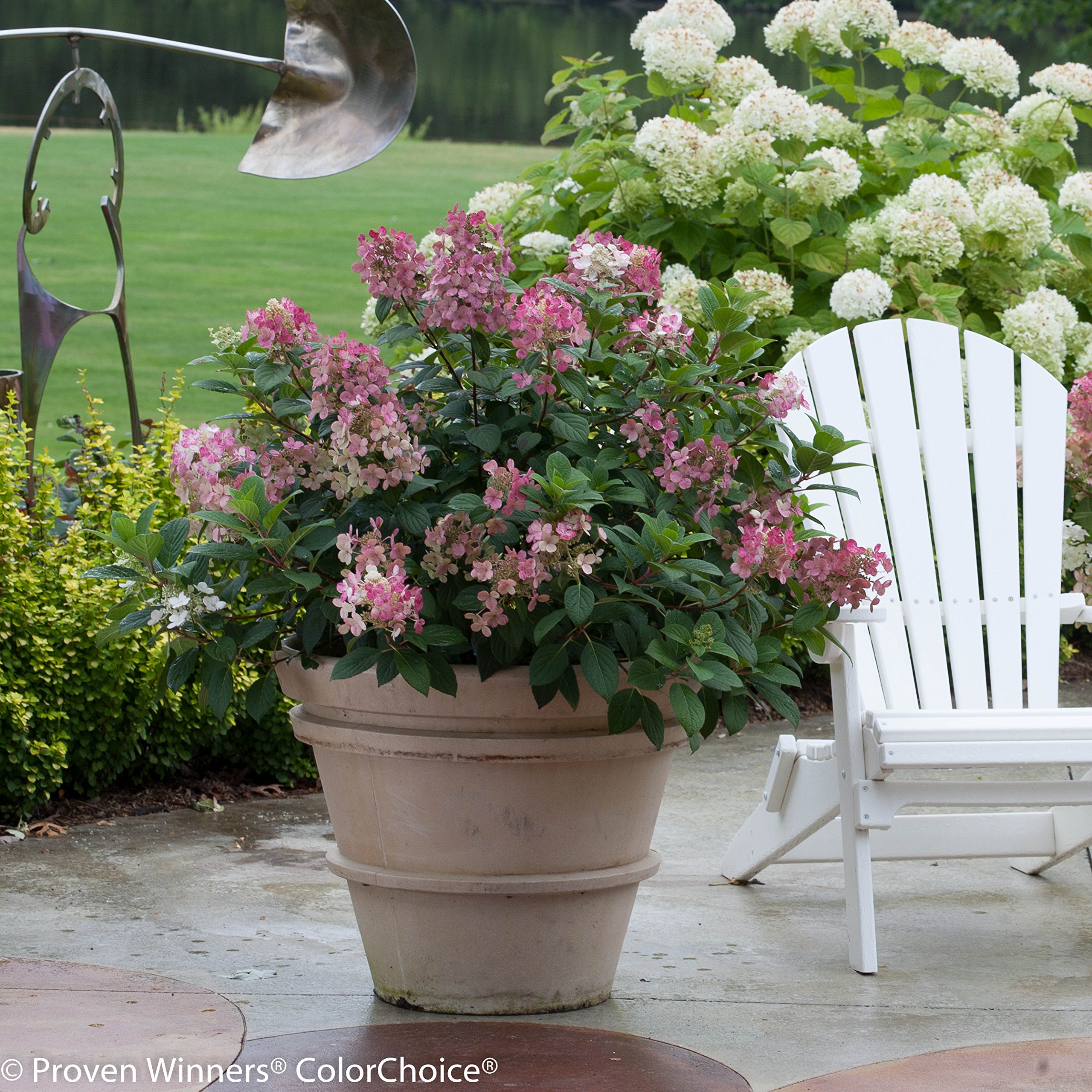
Pinky Winky hydrangeas are a beautiful and easy-to-grow variety of hydrangea that can add a touch of elegance to any garden. They are known for their large, conical blooms that can range in color from white to pink to blue. Pinky Winky hydrangeas are relatively low-maintenance plants, but there are a few things you can do to ensure that they thrive in your garden.
Planting
The best time to plant Pinky Winky hydrangeas is in the spring or fall. Choose a location that receives full sun to partial shade. Pinky Winky hydrangeas can tolerate some shade, but they will bloom more profusely in full sun. The soil should be well-drained and rich in organic matter. If your soil is sandy or clayey, you may need to add some compost or peat moss to improve drainage.
Watering
Pinky Winky hydrangeas need regular watering, especially during the first year after planting. Water deeply and infrequently, so that the water has a chance to soak into the soil. In established plants, you can reduce watering to once or twice a week, unless there is a prolonged drought.
Fertilizing
Pinky Winky hydrangeas do not need a lot of fertilizer. A light application of a balanced fertilizer in the spring will help to promote new growth and flowering. You can also add some compost or manure to the soil around your hydrangeas every few years.
Pruning
Pinky Winky hydrangeas do not need to be pruned heavily. However, you may want to remove any dead, damaged, or diseased branches in the spring. You can also prune your hydrangeas to encourage new growth and shape. If you want to train your hydrangea to grow into a tree form, you can prune it back to a single stem in the spring.
Winter protection
In colder climates, Pinky Winky hydrangeas may need some winter protection. Mulch the soil around your hydrangeas with a few inches of organic matter, such as leaves, straw, or pine needles. You may also want to cover your hydrangeas with a burlap sack or other protective material.
With a little care and attention, Pinky Winky hydrangeas can thrive in your garden for many years to come.
Here are some additional tips for growing and caring for Pinky Winky hydrangeas:
- If you live in a hot climate, hydrangeas may benefit from afternoon shade.
- If your hydrangeas are not blooming as well as you would like, try adding some aluminum sulfate to the soil. This will help to lower the pH of the soil, which can encourage blue blooms.
- Pinky Winky hydrangeas are relatively resistant to pests and diseases, but they can be susceptible to scale and powdery mildew. If you notice any problems, treat them promptly with an appropriate fungicide or insecticide.
With a little care and attention, Pinky Winky hydrangeas can add beauty and elegance to your garden for many years to come.
Pinky Winky hydrangea is a beautiful and versatile shrub that can add a touch of elegance to any garden. It is known for its large, white panicles of flowers that open in mid to late summer and gradually turn pink as the season progresses. Pinky Winky hydrangea is also relatively low-maintenance, making it a great choice for busy gardeners.
If you are interested in learning more about pinky wink hydrangea, please visit Home Gardening. This website provides detailed information about the plant, including its care requirements, planting instructions, and potential pests and diseases. You can also find photos and videos of pinky wink hydrangea in bloom.
FAQ of pinky winky hydrangea
How much light does pinky winky hydrangea need?
Pinky Winky hydrangeas can tolerate full sun to part shade. In hot climates, they will generally do best with some shade. The amount of sunlight that a pinky winky hydrangea receives will affect the color of its flowers. In full sun, the flowers will be a brighter pink, while in part shade, they will be a more subdued pink or even white.
What type of soil does pinky winky hydrangea need?
Pinky Winky hydrangeas prefer moist, well-drained, fertile soil. The soil pH should be neutral to slightly acidic. If the soil is too alkaline, the flowers may turn blue. You can test the soil pH with a soil test kit.
How much water does pinky winky hydrangea need?
Pinky Winky hydrangeas need regular watering, especially during the first year after planting. The soil should be kept moist, but not soggy. In hot, dry weather, you may need to water the hydrangeas daily.
How do I fertilize pinky winky hydrangea?
Pinky Winky hydrangeas should be fertilized in the spring and fall. Use a balanced fertilizer, such as 10-10-10, at the recommended rate. You can also use a fertilizer specifically for hydrangeas.
How do I prune pinky winky hydrangea?
Pinky Winky hydrangeas can be pruned in the spring or fall. If you prune in the spring, do it before the leaves start to grow. If you prune in the fall, do it after the leaves have fallen. Prune the hydrangeas by cutting back the stems to about 1/3 of their length.
How do I overwinter pinky winky hydrangea?
In cold climates, pinky winky hydrangeas may need to be protected from the cold. You can do this by covering the plant with a burlap sack or evergreen boughs. You may also need to water the plant more frequently during the winter months.
What are some common pests and diseases of pinky winky hydrangea?
Some common pests that can attack pinky winky hydrangeas include aphids, scale insects, and spider mites. These pests can be controlled with insecticidal soap or neem oil. Some common diseases that can affect pinky winky hydrangeas include leaf spot, powdery mildew, and rust. These diseases can be controlled with fungicides.
How can I propagate pinky winky hydrangea?
Pinky winky hydrangeas can be propagated by cuttings. Take cuttings in the spring or fall from healthy stems that are about 6 inches long. Remove the lower leaves from the cuttings and dip them in rooting hormone. Plant the cuttings in a pot of moist potting mix. Keep the potting mix moist and the cuttings in a warm, sunny location. The cuttings should root in about 4-6 weeks.
Image of pinky winky hydrangea
- Pinky Winky hydrangea in full bloom. The flowers are a creamy white color with a hint of pink at the base. They are arranged in large, conical panicles.
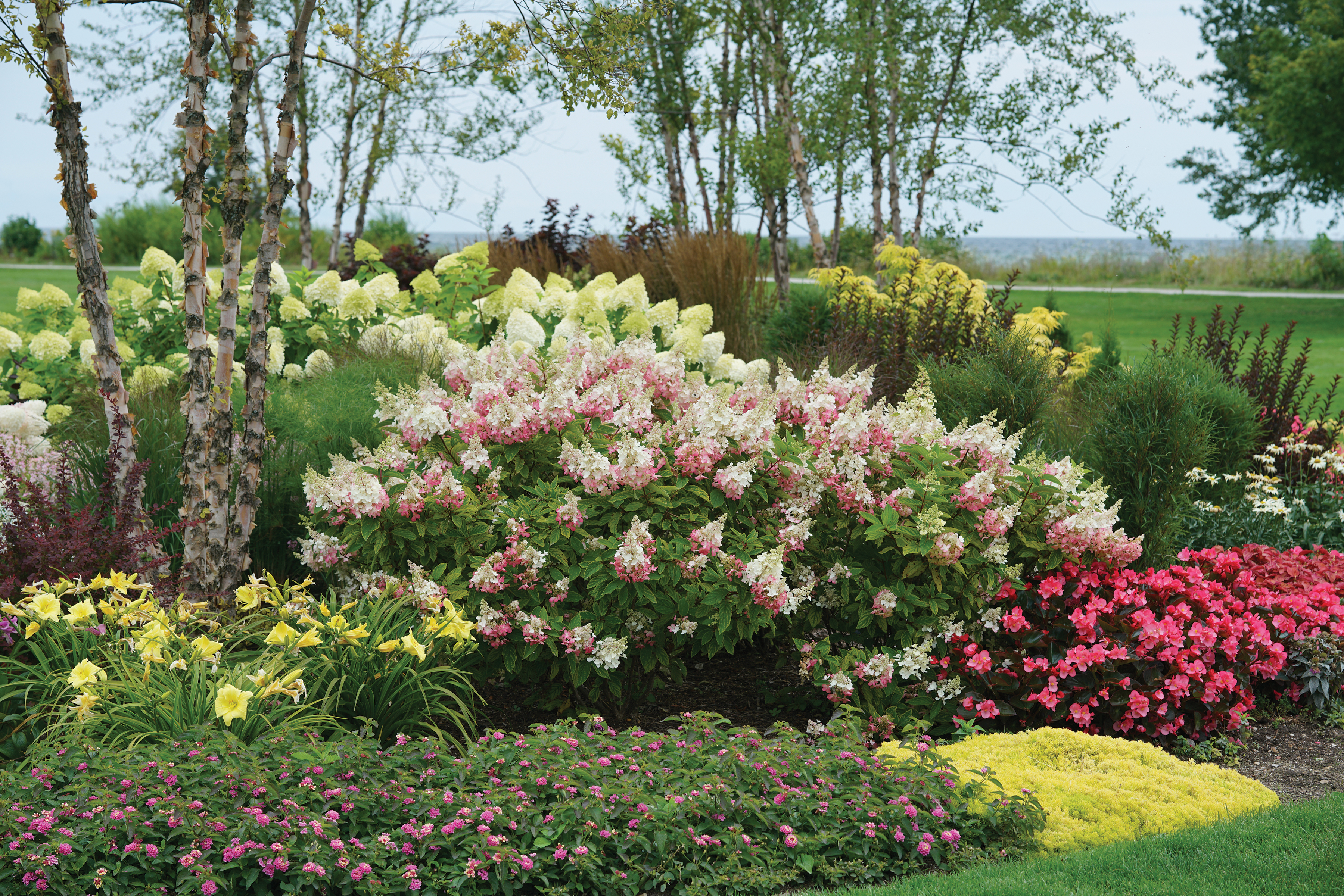
- Close-up of pinky winky hydrangea flowers. The individual flowers are small and delicate, with four petals. They have a sweet, honey-like fragrance.
- Pinky Winky hydrangea in a garden. The shrub is tall and upright, with dark green leaves. The flowers are a beautiful contrast to the foliage.
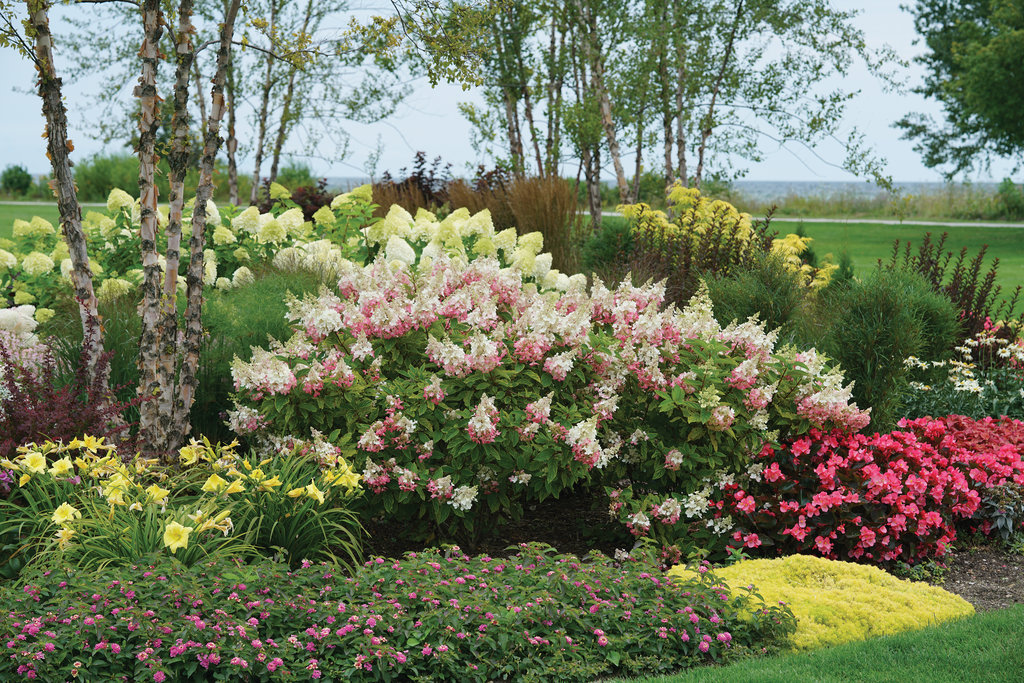
- Pinky Winky hydrangea in the fall. The flowers have started to fade, but they are still a beautiful shade of pink. The leaves are turning a brilliant shade of red.
- Pinky Winky hydrangea in a vase. The flowers make a stunning centerpiece. They can be enjoyed indoors for several days.

- Pinky Winky hydrangea in a hedgerow. The shrub is planted in a hedgerow, providing a colorful and fragrant backdrop.
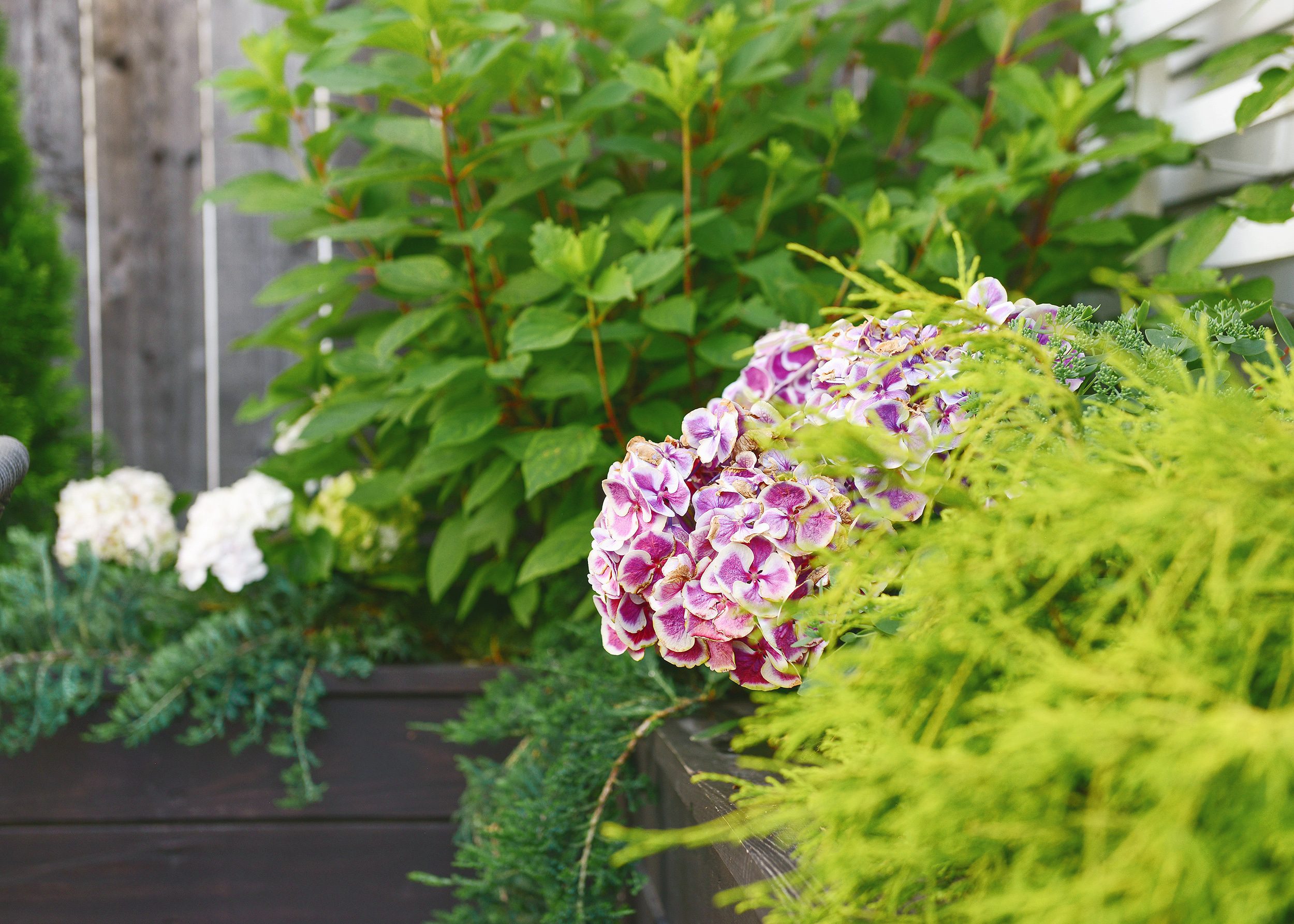
- Pinky Winky hydrangea in a meadow. The shrub is planted in a meadow, adding a touch of elegance to the natural landscape.
- Pinky Winky hydrangea in a park. The shrub is planted in a park, providing a spot of color and beauty for visitors to enjoy.
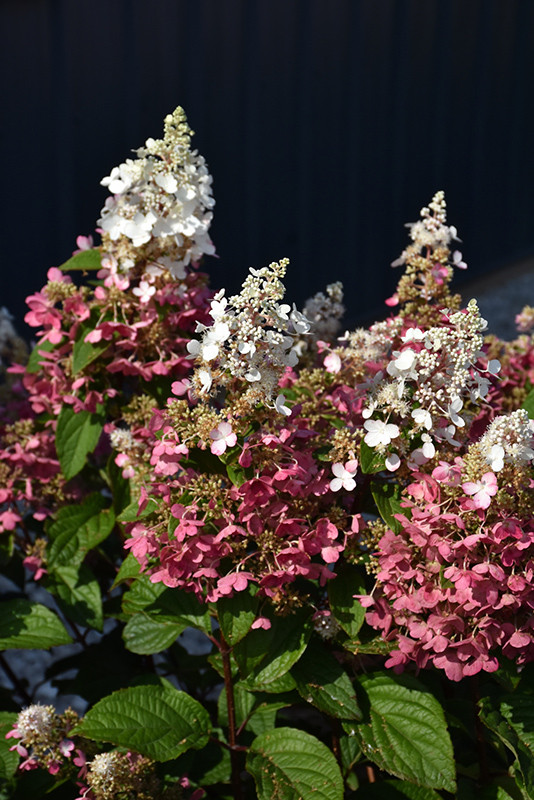
- Pinky Winky hydrangea in a backyard. The shrub is planted in a backyard, providing a source of beauty and enjoyment for the homeowner.
- Pinky Winky hydrangea in a pot. The shrub can also be grown in a pot, making it a versatile choice for gardeners with limited space.


Post a Comment for "How To Grow Care For Pinky Winky Hydrangeas"